Wardogs Season 2 Rain Changes the Game
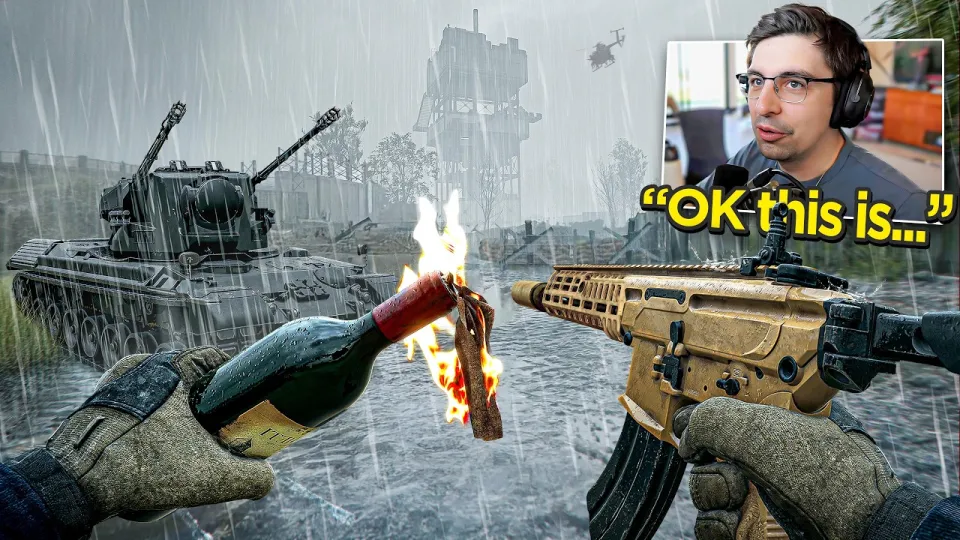
Video: Wardogs Is a Completely Different Game Now...
Need articles like this for your video? They help promote it on YouTube and Google — order them in the Telegram bot @sat_sit_bot. It writes articles around your video, embeds the video and publishes them on popular niche websites (no ads). Free trial — 50 articles.
· based on the channel shroud
Wardogs is an extraction shooter where squads loot, fight and exfiltrate under pressure, and Season 2 has turned it into a noticeably different game by adding heavy rain. The new weather system cuts visibility, weakens long-range sniping and pushes fights into closer, messier ranges where positioning and ammo choice decide the outcome. You can follow full squad sessions from shroud and friends through the Spotify show page, where the channel posts its audio content.
What the rain actually changes in Wardogs
The rain is not a cosmetic filter: it is a visibility tax on every long-range engagement. Players report that past roughly 190 meters it becomes hard to see anything clearly, which undermines the classic sniper setup of holding a ridge or a bridge approach. Maps that used to reward a patient marksman now reward the squad that closes distance and forces a fight in buildings, stairwells and tower interiors.
- Sniping degrades. A scope does not help if the target is a smear of grey behind a wall of water; expect more wasted shots and fewer clean one-taps.
- Sound gets muddier. Rain masks footsteps and distant gunfire, so callouts from teammates become the primary information source.
- Rotations slow down. Squads move between hard cover instead of crossing open ground, which concentrates traffic at chokepoints and bridges.
- Thermals get stronger. Infrared goggles that highlight heat signatures effectively bypass the visibility penalty, making them a near-mandatory slot in rainy raids.
Ammo choice and the leg-shot problem
The most common mistake in armored fights is aiming at the torso with the wrong ammunition. When a teammate calls out that a target is wearing armor and that you carry HP rounds, the correct response is to shoot the legs, because hollow-point ammunition multiplies damage against unarmored limbs while standard rounds bounce off plates. In practice, players keep defaulting to center mass, dump a magazine into a vest, and then blame the weapon.
- Check your magazine type before the fight, not during it.
- Against heavy armor, switch to limb shots or a caliber that penetrates.
- Repack magazines during downtime, never while an enemy is in the same building.
- Treat a submachine gun with HP ammo as a close-range limb-shredder, not a general-purpose rifle.
The PP-19 with hollow points is a good example: it looks weak on paper, but leg shots turn it into a fast killer at indoor distances. Players who did not realize the weapon was loaded with HP rounds still cleared fights, which says more about target selection than about the gun.
Squad communication versus larger groups
A six-player squad in one voice channel usually beats a larger, disorganized crowd, but the advantage disappears when everyone talks at once. Coordinated callouts, a single shot-caller and clear labeling of targets by location rather than by "the guy over there" are what convert numbers into wins. Groups of twenty players are rarely acting as one unit; they are separate teams building their own bases and fighting their own fights, which is why a tight six can farm them piece by piece.
Why players call it a completely different game
Season 2 shifts the meta rather than just adding a feature, and that is why the reaction has been so strong. Rain compresses engagement distances, which raises the value of submachine guns, shotguns, thermal optics and indoor map knowledge, while lowering the value of bolt-action rifles and open-field flanking. Squads that built their entire playstyle around long sightlines have to relearn rotations, and players who never bothered with close-quarters clearing suddenly need to.
The weather also adds atmosphere that changes decision-making: a helicopter windshield streaked with rain, a tower fight in the south of a town map where raids keep coming, a push northwest that suddenly reveals a familiar bridge and the realization that you are standing in that part of the map. None of that is new geometry, but the reduced visibility makes every landmark feel different.
Common player questions about the new weather
Newcomers and veterans alike keep asking the same practical things: whether sniping is dead, whether thermals are now mandatory, and how much of the difficulty comes from the rain versus from their own habits. The short answers are that sniping is situational rather than dead, thermals are the single strongest counter to the weather, and most deaths in the rain come from information gaps that voice communication would have closed. Aim discipline matters too: recoil control and trigger discipline separate players far more than the weather does, and watching a strong player hold a spray pattern is a reminder of how much raw mechanics still decide fights.
Links from the video
- https://open.spotify.com/show/033FeLGJ1Oru4PqmmzAsjO
- https://www.logitechg.com
- https://maingear.com/shroud-ref
- https://twitter.com/shroud
- https://www.twitch.tv/shroud
Final thoughts on Wardogs Season 2
Rain is the most consequential change Wardogs has received, because it alters sightlines, sound, loadout priorities and the pace of every rotation at once. Squads that adapt by stacking thermals, carrying HP ammo for close fights and keeping one clear shot-caller will find the new weather an advantage rather than a handicap. The best way to see the shift in action is the breakdown from the channel shroud, where the squad fights through towers, bridges and indoor clears in the storm. For more audio content from the channel, check the Spotify show and follow along with new sessions.
Key takeaways
- Wardogs Season 2 introduces heavy rain as a persistent weather condition on the map.
- Rain cuts visibility at range, so long-range sniping becomes unreliable past roughly 190 meters.
- Infrared goggles gain value in rain because thermal detection ignores the reduced visibility.
- HP ammunition on submachine guns like the PP-19 rewards leg shots against armored targets.
- Squad communication in one voice channel matters against larger groups of uncoordinated players.
Questions & answers
Is sniping still viable in Wardogs Season 2 with the rain?
It is viable but no longer dominant. Visibility drops enough that targets past roughly 190 meters become hard to identify, so long-range holds produce fewer clean kills. Snipers work best now as support weapons covering a single known chokepoint, while the actual pushing is done by players with close-range guns.
Are infrared goggles worth using in the rain?
Yes, they are one of the strongest picks in rainy conditions. Thermal detection highlights heat signatures through the reduced visibility, effectively canceling the main penalty the weather imposes. Expect them to be contested loot and a common slot in serious loadouts.
Why do players keep dying after being told to shoot legs?
Because aiming at limbs under pressure is a trained habit, not a decision. Hollow-point ammunition does far more damage to unarmored legs than to a plate carrier, but players default to center mass and empty a magazine into armor. Practicing limb targeting in low-stakes fights is the only fix.
Does a bigger group always beat a smaller coordinated squad?
No. Large groups are usually several separate teams with their own goals, bases and fights, so they rarely concentrate force. A smaller squad in one voice channel with clear callouts and a single shot-caller can isolate and eliminate them piece by piece.
Source: Wardogs Is a Completely Different Game Now... · Markdown version